Swedish Legal Mandates Drive Adaptations in Mobile Prize Pools and Secure Funding Links for Interactive Table Play
Amir Richter · Aug 23, 2026
Swedish Legal Mandates Drive Adaptations in Mobile Prize Pools and Secure Funding Links for Interactive Table Play
Swedish regulatory frameworks continue to shape how operators structure mobile prize pools and establish secure funding connections for interactive table play, with adjustments documented across licensing conditions enforced by Spelinspektionen; these changes align with broader European standards that emphasize player protection and financial transparency in digital gaming environments.
Regulatory Framework Overview
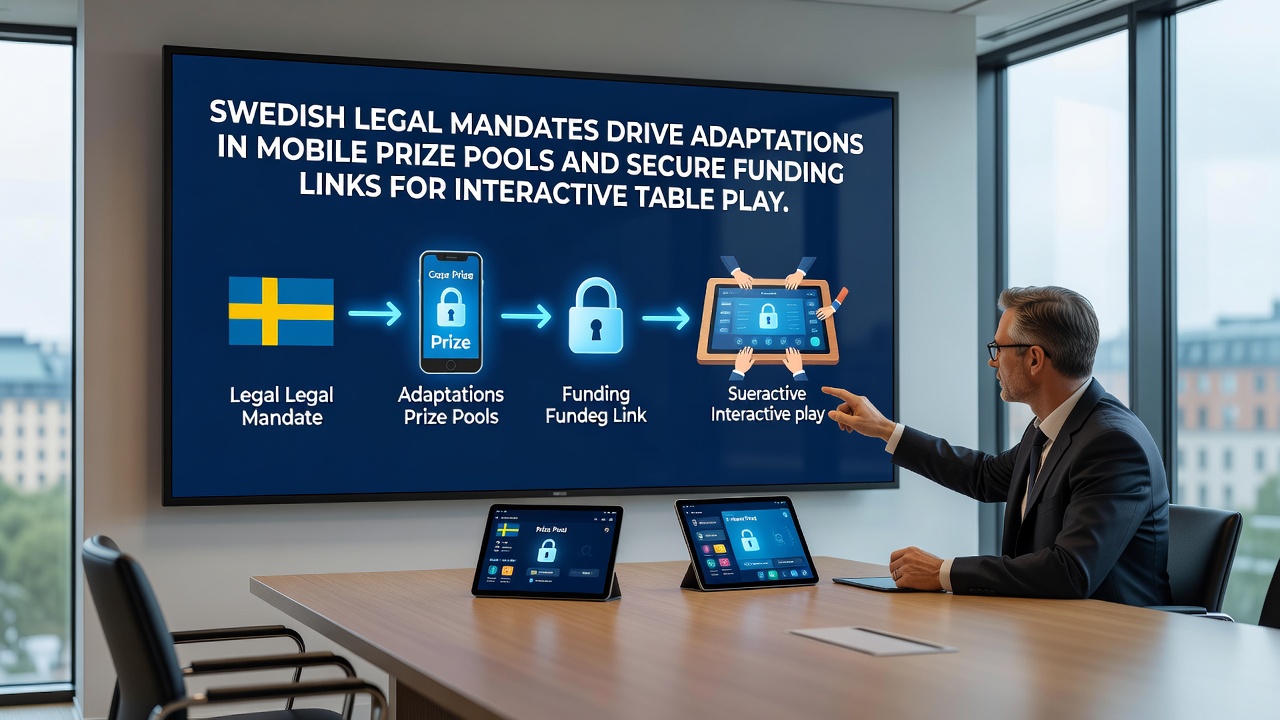
Legislative updates in Sweden require operators to maintain separate prize pools for mobile applications while ensuring real-time verification of funding sources, and this approach stems from amendments introduced to the Gambling Act that took effect in prior years yet continue to prompt technical revisions through August 2026. Data from industry reports indicate that mobile table game offerings, including variants of blackjack and roulette, must now incorporate automated checks that link player accounts directly to verified payment channels without intermediary delays.
Those who monitor compliance note that operators face specific obligations to segment prize allocations by device type, which prevents cross-contamination between desktop and mobile environments, whereas secure funding links rely on encrypted protocols that log every transaction for audit purposes.
Impact on Mobile Prize Pool Structures
Adaptations in prize pool management have led operators to recalibrate contribution rates from mobile bets, and these recalibrations ensure that progressive jackpots remain isolated from fixed-odds table games to meet liquidity requirements set by Swedish authorities. Research from European gaming associations shows that mobile platforms now account for over 60 percent of table play activity in licensed markets, prompting developers to integrate dynamic pool adjustments that respond to regulatory thresholds updated in recent licensing cycles.
One study from a Nordic research institution revealed that operators who implemented segmented pools experienced fewer compliance incidents, while those maintaining unified pools encountered additional reporting burdens that extend into teh current period.
Secure Funding Mechanisms and Technical Requirements
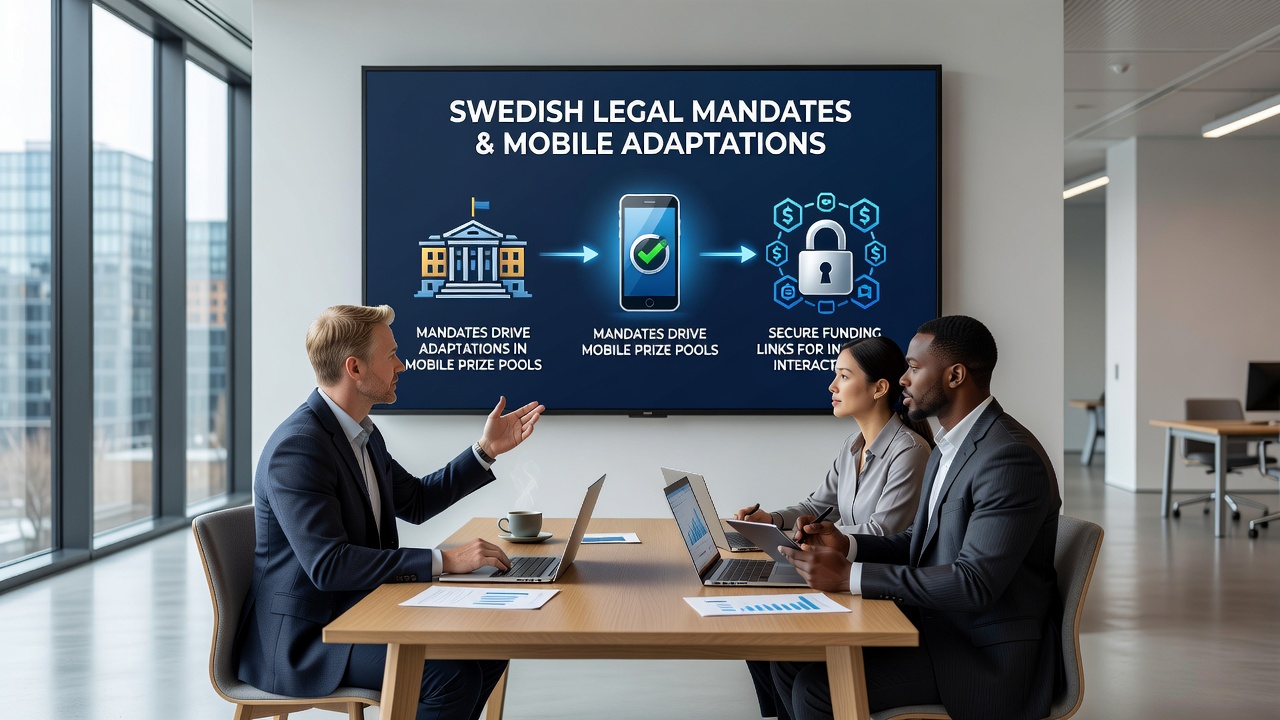
Secure funding links must now utilize multi-factor authentication paired with bank-grade encryption, and these measures connect player deposits instantly to game servers without exposing sensitive data during interactive sessions. According to guidelines issued by Spelinspektionen, operators document every funding event in immutable ledgers that regulators can access on demand, which reduces opportunities for discrepancies in prize distributions.
Figures from a 2026 industry analysis highlight that table game operators in Sweden reported a 22 percent increase in mobile transaction volumes compared to the previous year, and this growth coincides with the rollout of new API standards that verify funding sources before gameplay begins. External audits conducted under EU-wide directives confirm that such links maintain integrity across borders when Swedish licensees partner with approved payment processors.
Case Examples from Licensed Operators
Operators licensed in Sweden have responded by deploying modular software that separates mobile prize calculations from traditional desktop systems, and several have published technical white papers detailing their compliance strategies. One documented implementation involved a real-time reconciliation engine that cross-references funding links against player activity logs every 15 seconds during table sessions, which aligns with mandates that prohibit delayed settlements.
Observers tracking the sector note that these adaptations also influence how operators market interactive table play to Swedish users, since prize pool visibility must now include disclaimers about mobile-specific rules without altering the underlying game mathematics.
Broader Industry Context and Data Trends
International comparisons drawn from sources such as the Australian Gambling Research Centre and reports by the National Council on Problem Gambling illustrate parallel developments in other jurisdictions, yet Swedish mandates remain distinctive in their emphasis on device-specific prize segmentation. Data compiled through August 2026 indicates steady adoption rates among mobile table game providers who integrate these funding safeguards early in development cycles.
Technical providers supplying the Swedish market have introduced standardized modules that handle both prize pool isolation and funding verification within single codebases, and adoption of these modules has accelerated as renewal deadlines approach for existing licenses.
Conclusion
Swedish legal mandates continue to necessitate precise adaptations in mobile prize pools alongside robust secure funding links for interactive table play, with ongoing implementations tracked through official channels and industry metrics. Operators maintain compliance by updating systems to match evolving requirements, while data from regulatory and research bodies document measurable shifts in transaction patterns and pool management practices as of the latest reporting periods.