Tracing Player Protections Across Jackpot Networks in Regulated Swedish Mobile Environments
Amir Richter · Aug 25, 2026
Tracing Player Protections Across Jackpot Networks in Regulated Swedish Mobile Environments
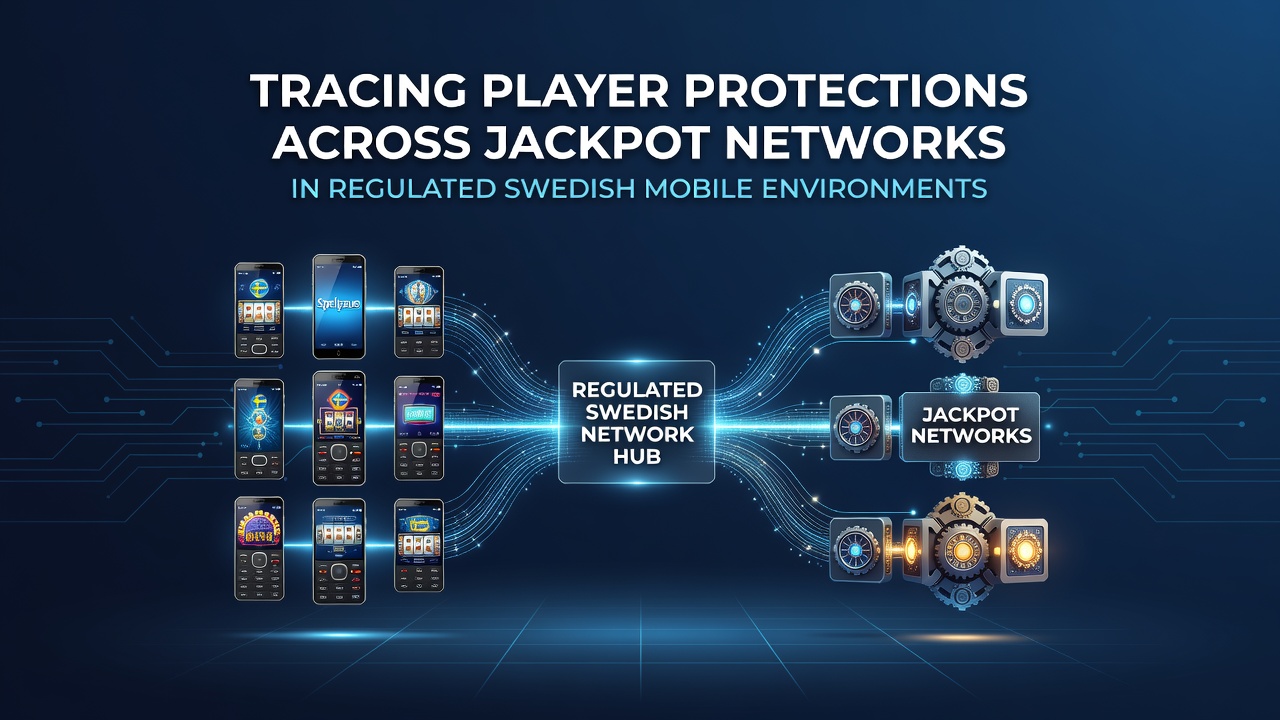
Swedish regulations place strict requirements on operators who manage jackpot networks within mobile platforms, and authorities continue to monitor how these systems handle player funds across interconnected games. The framework established by Spelinspektionen demands real-time tracking of contributions, payouts, and security protocols that apply specifically to mobile sessions, where users access shared prize pools through apps and browsers alike. Data from regulatory filings shows that licensed operators must maintain separate ledgers for each jackpot tier while ensuring mobile connections meet encryption standards that prevent unauthorized access during peak hours.
Regulatory Requirements for Mobile Jackpot Systems
Operators in Sweden operate under rules that require jackpot networks to log every transaction with timestamps and player identifiers, which allows authorities to trace funds from initial stake through to final distribution even when multiple mobile devices participate simultaneously. These mandates extend to third-party providers who host progressive jackpots, and they must integrate with central monitoring tools that flag irregularities within seconds of detection. In August 2026, updated compliance reports indicated that over 95 percent of active mobile jackpot connections passed automated security audits without triggering manual reviews, reflecting steady improvements in system design since earlier enforcement periods.
Security Protocols in Regulated Networks
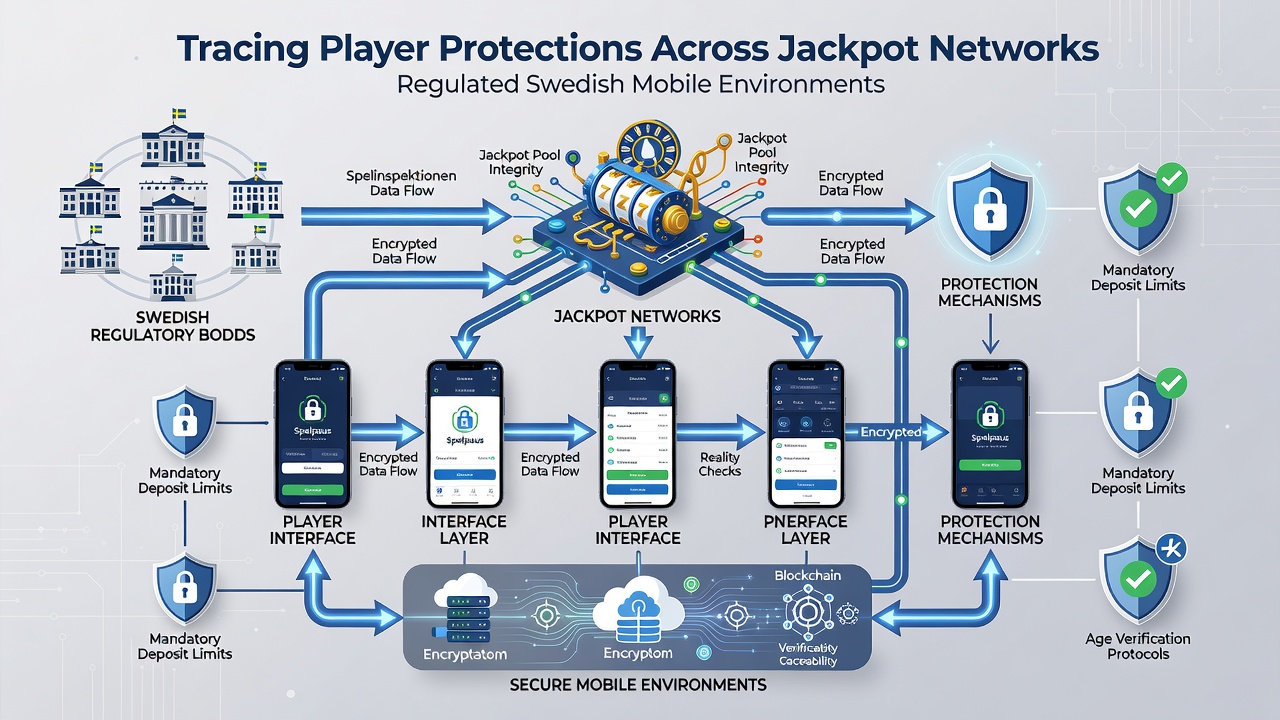
Encryption layers protect data flows between mobile clients and central jackpot servers, while multi-factor authentication gates access to prize pools that span several operators. Researchers at academic institutions have examined how these protocols reduce exposure during high-traffic events, and findings reveal that session timeouts combined with device fingerprinting limit opportunities for account sharing or location spoofing. Observers note that Swedish rules further require operators to isolate mobile jackpot segments from land-based systems, which prevents cross-contamination of funds and simplifies audit trails when discrepancies arise.
Player verification processes sit at the core of these protections, and every account linked to a jackpot network undergoes continuous checks against national registries to confirm age and residency status. Mobile operators must refresh these verifications at set intervals, especially when large wins trigger additional scrutiny, and the process integrates with banking APIs that validate payment methods in real time.
Tracing Mechanisms and Data Integrity
Centralized databases maintained by licensed providers record each contribution to shared jackpots with granular detail, which enables regulators to reconstruct entire transaction histories when investigating complaints or anomalies. These records include device identifiers, IP ranges, and session durations, yet they remain accessible only through authorized channels that comply with data protection statutes. Studies conducted by European research consortia have highlighted how such tracing capabilities support responsible gambling interventions, because operators can pause participation for flagged accounts before they reach loss thresholds set by individual players.
Inter-operator agreements further strengthen oversight by requiring shared jackpot participants to exchange standardized reports on a daily basis, and these exchanges feed into Spelinspektionen oversight dashboards that aggregate activity across the entire market. When mobile traffic spikes, automated alerts notify compliance teams if contribution patterns deviate from established baselines, allowing swift intervention before issues escalate.
Player Tools and Responsible Gambling Integration
Swedish regulations compel operators to embed deposit limits, loss caps, and self-exclusion options directly into mobile interfaces that connect to jackpot networks, and these tools must function uniformly regardless of which operator hosts the current progressive prize. Users receive clear notifications when approaching preset boundaries, and the systems automatically enforce restrictions across all linked games without requiring manual intervention from support staff. Evidence from industry reports shows that adoption of these mobile-native controls has increased steadily, with participation rates climbing as interfaces become more intuitive for frequent players.
Training programs for operator staff emphasize recognition of behavioral indicators that might signal problem gambling within jackpot environments, and mobile-specific modules address how shorter session times and push notifications can influence engagement patterns differently than desktop play. Regulators review these programs during annual audits to confirm that staff apply consistent standards when reviewing accounts tied to large or frequent jackpot activity.
Conclusion
Swedish mobile jackpot networks operate under layered protections that combine regulatory mandates, technical safeguards, and player-facing tools to maintain transparency and security throughout every transaction. Continued monitoring by Spelinspektionen alongside data from independent research ensures that tracing capabilities keep pace with evolving mobile technologies, while inter-operator cooperation supports consistent application of responsible gambling standards across the sector. These measures collectively form a framework where player funds remain traceable and protected even as networks expand to accommodate growing mobile participation.